


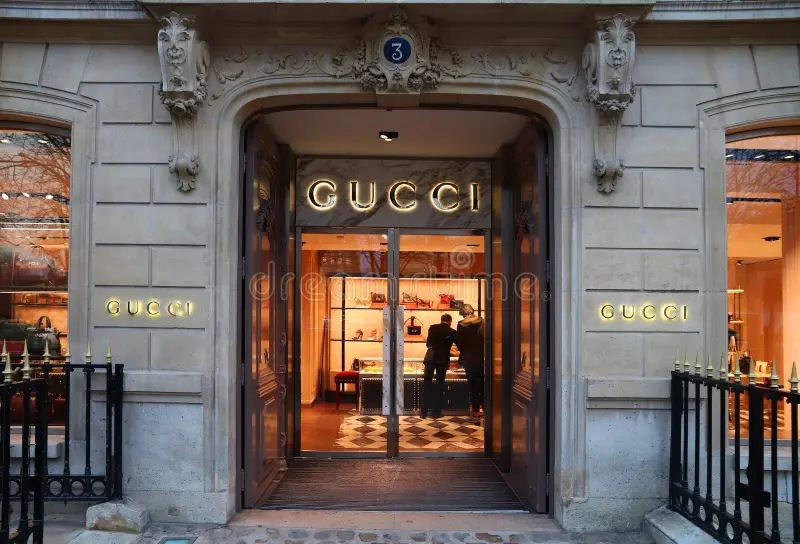
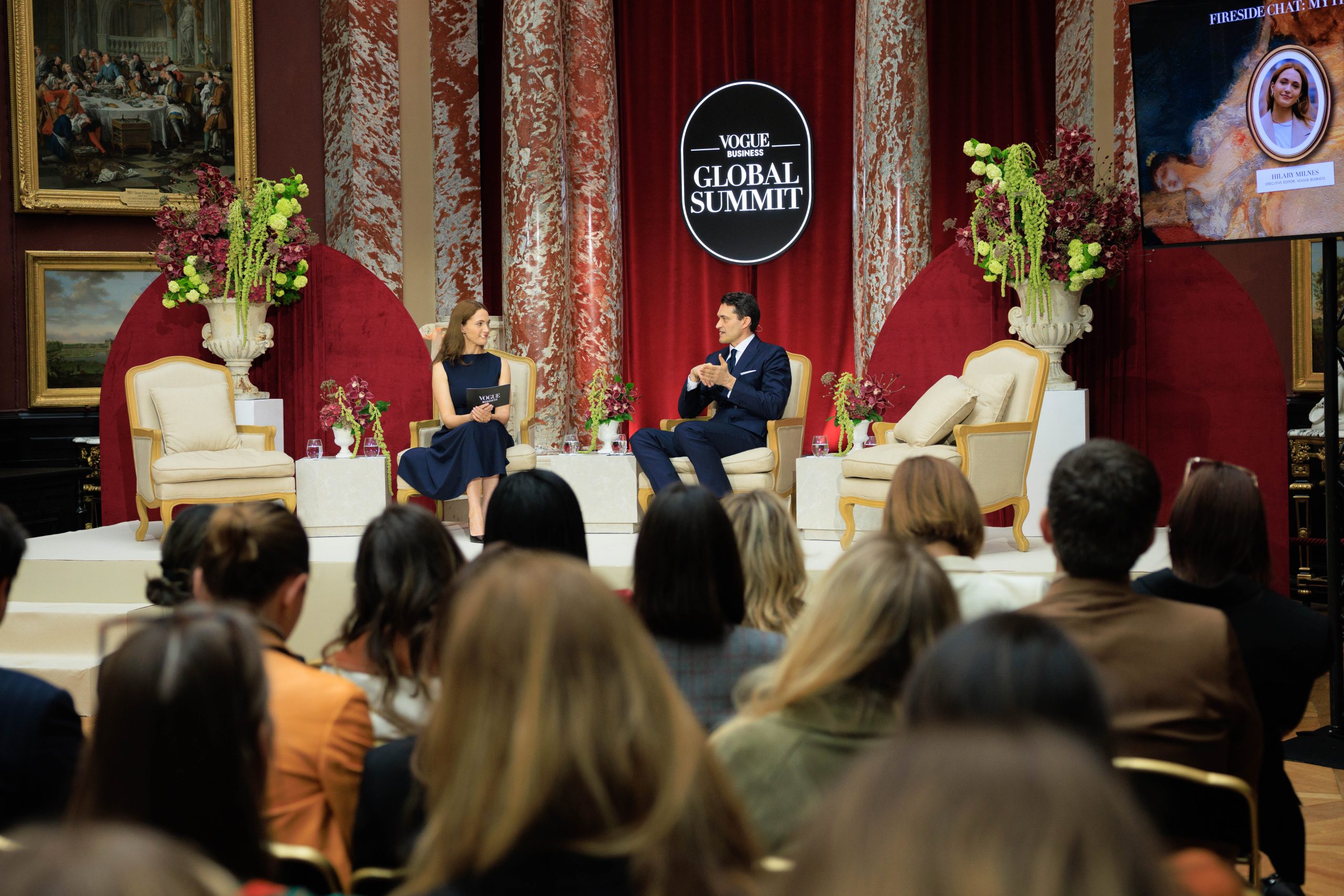
Luxury’s problem is no longer desire. The queues are back. The wishlists are alive. The shop floors still know how to create heat. From Rue Saint-Honoré to the Vogue Business Summit in Chantilly and the FT Business of Luxury Summit in Puglia last week, the signal is the same: the customer has not disappeared. She has become harder to convince.
Bain says 70 million luxury customers have exited the market since 2022, and 70 percent intend to return. That is 49 million people standing at the edge of the market. The question is not whether they still want luxury. The question is which brands have earned the right to ask for the money again.
Desire is alive. Conversion is not.
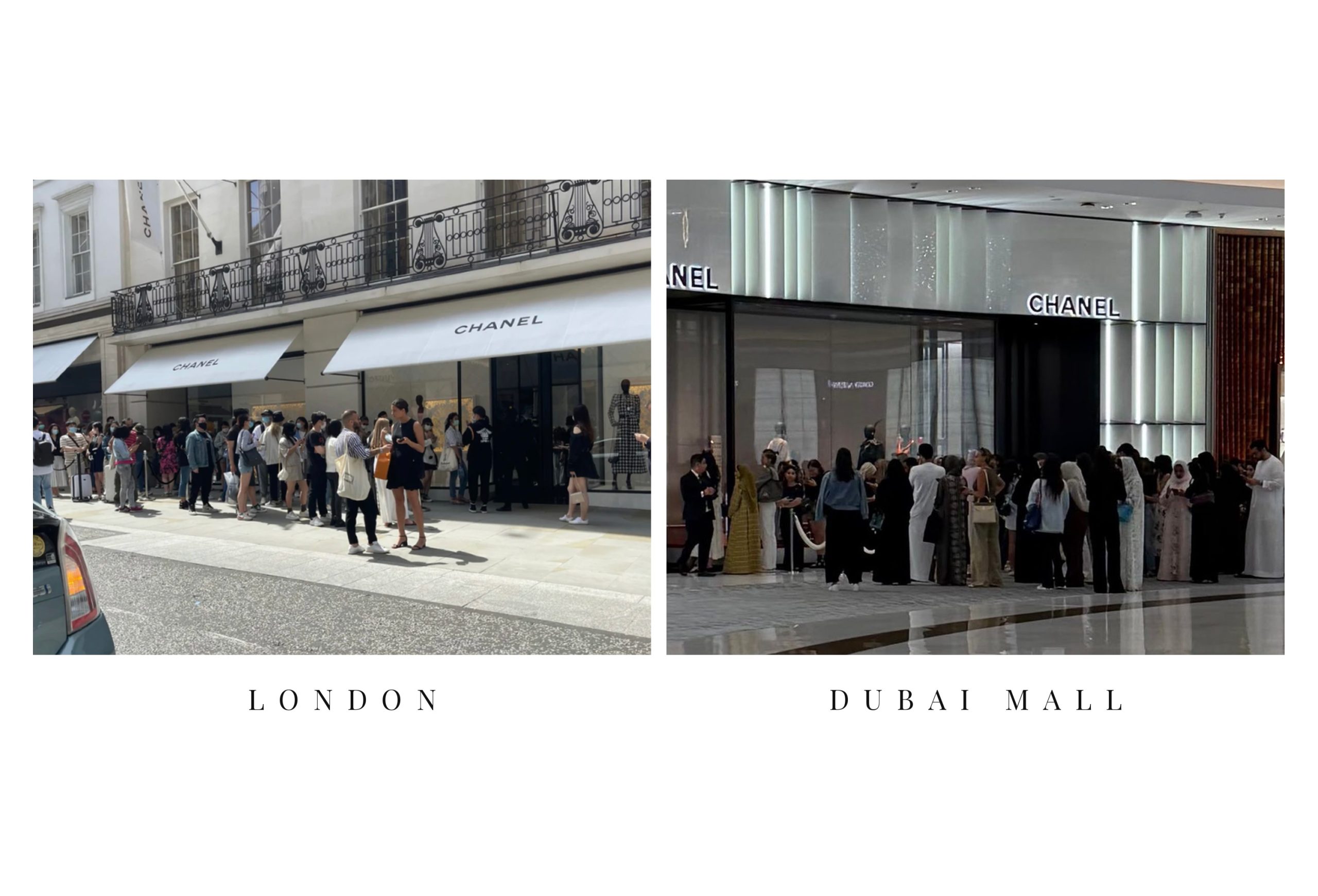
Walk Paris and the diagnosis writes itself. The queue at L’Officine Universelle Buly gets longer every season. Longchamp’s flagship pulls a line Hermès would envy. When Audemars Piguet and Swatch released Royal Pop, customers slept on the pavement. Dior, Chanel, and Louis Vuitton still fill their accessories and shoe floors while ready-to-wear feels quieter. Creative-director debuts at Chanel, Dior, and Gucci created enormous media impact. But media impact is not margin.
Desire, on every visible metric, is alive. Sales, on every reported earnings line, are not.
At store level, the conversation is more revealing than the campaign. At Gucci, sales associates describe a clientele that needs time to absorb Demna. At Valentino, the assessment is blunter, with some client loss already noticed. At Chanel, the verdict on Matthieu Blazy’s debut is the cleanest, and the numbers support the floor. Chanel returned to growth in 2025, revenue up 2 percent to 19.3 billion dollars, with high-single-digit momentum in H2.
That matters because it happened against a weaker tape. LVMH’s Fashion and Leather Goods division fell 5 percent organic for full-year 2025. Kering’s 2025 revenue fell 10 percent organic. Against that backdrop, Chanel’s modest headline growth is more than modest. It is evidence that continuity still has financial value.
Chanel earned the right to reset because it protected its codes for decades. Other houses do not have that reservoir, because each creative rotation draws down the credibility account. The customer is not refusing creative change. She is refusing to pay peak prices while being asked to relearn the brand every three years.
Creative resets need balance-sheet patience
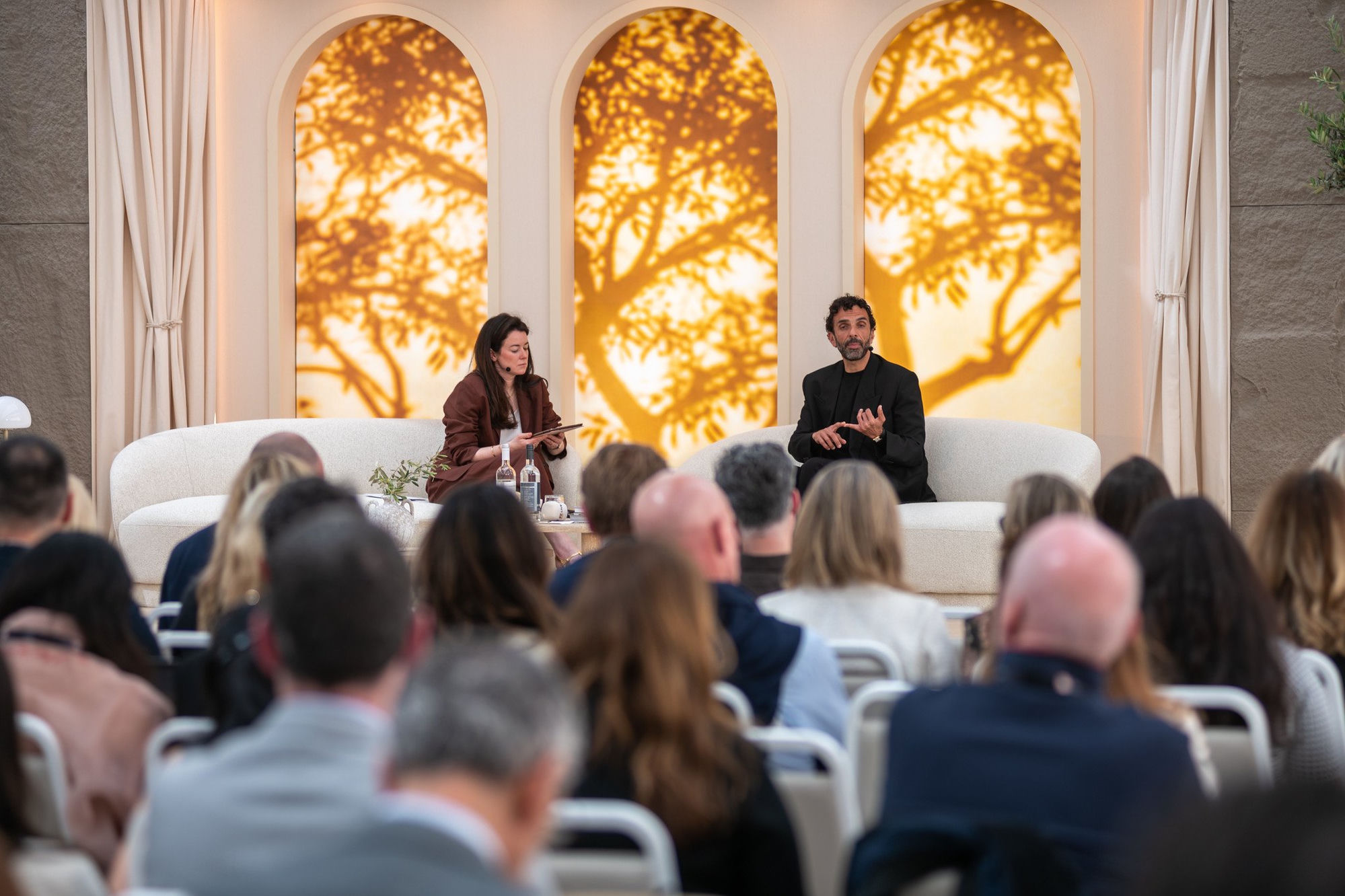
At the FT Business of Luxury Summit, the message from management was unusually sober. Delphine Arnault confirmed that Jonathan Anderson’s Dior reset will take time to land on the bottom line. Cédric Charbit was blunter on Saint Laurent: “We haven’t been good enough at retaining clients,” admitting the house had stayed too focused on its wealthiest clients while aspirational shoppers “fell through the cracks.” His fix is the industry’s fix: deeper VIC relationships, sharper CRM, slower retail rollout, category expansion into menswear, without damaging desirability. None of that prints in one quarter.
The macro picture is not helping. The Middle East war has dampened luxury spending and travel retail across Europe and the GCC, with LVMH flagging roughly a one-point organic drag from the conflict in Q1. The region is officially a small share of global luxury, but that understates its importance. The GCC is a hub for HNWI mobility and tourist conversion across Paris, London, and Milan.
But the slowdown is not only macro. The market is sorting into a K. Hermès, Brunello Cucinelli, and Zegna have outperformed because they always priced for, and merchandised to, the top of the wedge. UHNW clients are not price-sensitive the way aspirational buyers are, and per Bain the top 0.1 percent of consumers now generates 37 percent of luxury value. The conglomerates built their growth on the bottom rail, the aspirational tier that has shed those 70 million customers since 2022.
The duration contract broke
That customer has not disappeared. She walked.
She walked because she was priced out: like-for-like prices on iconic leather goods rose 50 to 70 percent from 2019 to 2025, while hero-bag launches dropped 70 to 80 percent over the same window. She walked because trust eroded: five Italian houses, including Dior, Armani, Valentino, Alviero Martini, and Loro Piana, were placed under court administration in 24 months over labour exploitation in their supply chains. She walked because too many houses asked her to pay long-duration prices for short-duration objects.
The old luxury contract was duration. A 4,000 dollar object stayed relevant a decade later, and resale optionality kept the math defensible. The industry broke that contract. Creative directors began rotating every two to three years. Trend velocity compressed from seasons to weeks. Resale values outside a small scarcity pool collapsed. The customer was trained to think like an investor, then offered products with weaker duration.
Short-duration consumption was priced like a long-duration asset.
Jewellery, mid-luxury, and the safer trade
Richemont benefits from the same logic at a different angle. As leather goods moved into the price range of fine jewellery, the rational customer rerouted spend. A Cartier Love bracelet or a Panthère watch holds its value and meaning more clearly than a 10,000 dollar handbag under a new creative director. Jewellery is becoming the safer luxury trade.
Mid-luxury captured the rest. Tapestry, parent of Coach, now trades near Kering’s market capitalisation. Polène and Longchamp won the customer who was priced out of the 10,000 dollar handbag but not out of identity spending. She did not stop buying premium. She changed the math.
Two moves to reconquer
The first is restoring the duration contract on the icons. Slow the creative cadence on hero product. Identify the handful of archive pieces that can survive a creative cycle. Rebuild craftsmanship and supply-chain transparency around them. Both Delphine Arnault and Leena Nair have signalled that price increases will be measured, not aggressive. Chanel raised prices 2 percent on fashion in 2025 and plans a similar approach for 2026. Measured pricing is the strategy confessing what the customer already knew.
The second move is recapturing the customer through category extension, not cheapened entry points. The 1,000 dollar headband and the bag charm are limited plays. The aspirational consumer has not stopped spending on premium identity. She has moved her wallet into wellness, hospitality, dining, and travel. The brands that meet her there may recapture her for product later.
LVMH has read this correctly and is building hospitality at scale. The Marc Jacobs sale to WHP Global and G-III last week, at roughly 850 million dollars, confirms the same logic: the group is pruning accessible holdings to focus capital on Dior, Celine, and the core. Kering, at its current balance sheet, may not have the same room to follow.
This is the question the market has not fully priced. If reconquering is a multi-year project, luxury stops being a growth sector for this cycle and becomes a diversifier. The valuation gap already reads that way. Hermès trades at roughly 36 times forward earnings. LVMH at 21 times. Investors pay nearly 70 percent more for every dollar of Hermès profit than for the multi-brand groups, because Hermès still looks like duration. They are discounting the conglomerates because those groups have to prove that scale can still create trust.
Operating margins across the industry fell from 21 percent in 2022 to 15 to 16 percent in 2025, a 20 percent erosion of industry profit. The easy post-pandemic price elevation is gone. What remains is the harder work: rebuilding credibility, repairing the aspirational ladder, proving the product can outlast the campaign.
Q2 results on July 28 are where the bifurcation becomes legible. The market will be watching more than revenue. It will be watching whether creative heat becomes full-price sell-through, and whether the returning customer comes back to the same houses that lost her.
Reconquering will be harder than conquering. Harder, and longer.
Sources
Bain & Altagamma, Luxury Goods Worldwide Market Study, Finding a New Longevity for Luxury, November 2025.
Bain & Company, Luxury Report 2024, Rebuilding the Foundations of Luxury.
2026 Edelman Trust Barometer: Trust Amid Insularity, January 2026.
Bloomberg, Italy Cracks Down on Sweatshops Feeding Loro Piana, Armani, Dior, July 2025.
Business of Fashion, Chanel Returns to Growth as Blazymania Kicks In, May 2026.
Business of Fashion, LVMH Sells Marc Jacobs to WHP Global, May 2026.
Business of Fashion, Why Wall Street Prefers Coach to Gucci, May 2026.
WWD, Delphine Arnault on Dior, Jonathan Anderson and the US Market, May 2026.
Retail Gazette, Saint Laurent Boss Says Luxury Must Do More to Win Back Aspirational Shoppers, May 2026.
Vogue Business Summit, Chantilly.
FT Business of Luxury Summit, Puglia, May 2026, keynote sessions with Delphine Arnault and Cédric Charbit.
Hermès International, 2025 Full-Year Results (revenue €16B, +9% organic, 41% operating margin).
LVMH, 2025 Full-Year Results (revenue €80.8B, -1% organic; F&LG -5% organic).
Kering, 2025 Full-Year Results (revenue €14.7B, -10% organic, -13% reported).
Chanel Limited, 2025 Full-Year Financial Results, May 2026 (revenue $19.3B, +2% currency-adjusted).
Tapestry Inc., Q3 FY2026 Earnings Release, May 2026.
StockAnalysis, GuruFocus, ValueInvesting.io, Simply Wall St, FinanceCharts, forward P/E data, May 2026.
 Fashion Office
This week, LuxExperience’s shares jumped as much as 24% on its results. Group CEO Michael Kliger...
 Fashion Office
FT Luxury Summit with Elizabeth Paton and Cedric Charbit The most desirable house in fashion posted...
 Fashion Office
Chantilly 12.05.2026 C.F.O :Capital Fahion and Opinion Six panels. Four pillars of the luxury growth model...



No comments yet.