


First came the bankers, then the runway
In the past few years, capital—and couture—have followed the same journey to the East.
As wealth relocates to the Middle East and Asia—and because capital never travels alone—luxury houses are following suit, shifting their shows and storytelling to where the money now lives.¹
Luxury is no longer tethered to Europe.
The same migration reshaping global finance is now redrawing fashion’s map.
Just as hedge funds expand into the UAE, Hong Kong, or Singapore, fashion houses are staging their own roadshows in these wealth hubs—mirroring capital flows more closely than ever.
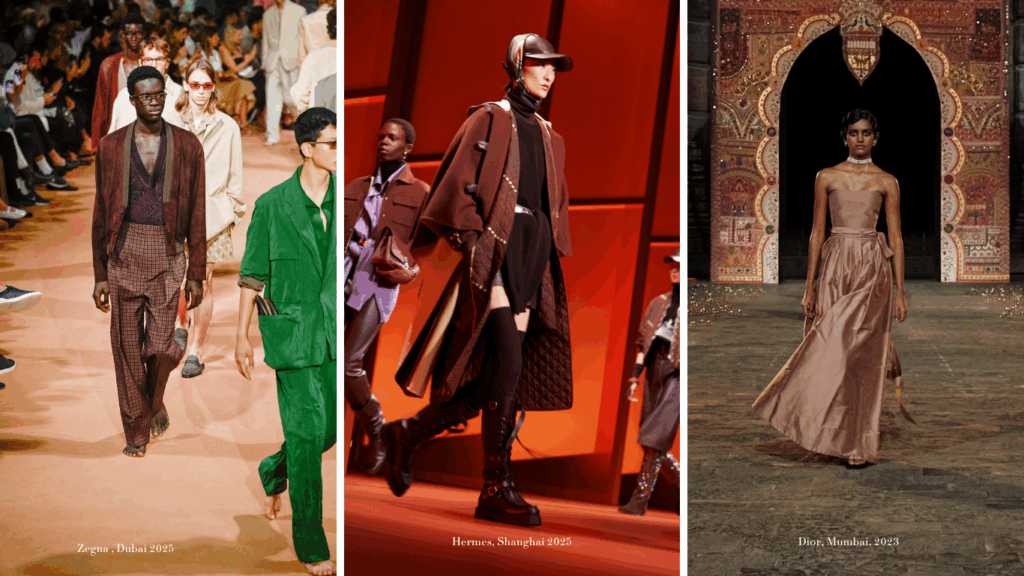
In 2025 alone, three major maisons exported their runway to the East:
These aren’t mere fashion shows.
They’re strategic pitches to the next generation of influence and deliberate efforts to anchor core clients in each brand’s ecosystem amid a global luxury slowdown.
In 2024, Asia-Pacific accounted for around 40 percent of global luxury spending, followed by the Americas at 32 percent and Europe at 27 percent.⁵
With the Middle East’s rapid rise, nearly half of luxury’s future revenue—and imagination—now lives east of Milan.
The balance of power has shifted toward markets that are younger, faster-growing, and increasingly self-defined.
Today’s UHNW and aspirational clients want more than boutiques and logos.
They want resonance—to see their heritage celebrated and worn every day, not merely referenced.
This shift isn’t purely about wealth—it’s about cultural fluency.
It’s not just a macroeconomic realignment—it’s a generational one.
Gen Z luxury consumers don’t want another trend; they want a story.
They crave roots, culture, and representation. After years of global sameness, they’re gravitating toward brands that honor where they come from—not just where fashion tells them to go. They are prouder than ever of their roots.
Meanwhile, local designers such as Bouguessa and Dima Ayad in the Gulf, and Eleven Eleven in India, are answering that craving for authenticity and capturing real market share from European maisons—winning hearts through craftsmanship, cultural storytelling, and identity.
Their rise signals a deeper shift: luxury consumers are not merely buying aesthetics; they are aligning with values and heritage.
In today’s luxury landscape, visibility isn’t influence—proximity is.
As the geography of wealth expands eastward, brands can no longer rely on European calendars or flagship façades to project prestige.
They must be seen, felt, and experienced where their clients actually live, invest, and shape culture.
Runways are no longer universal spectacles; they’re site-specific activations—curated for the elite, the influential, and the economically powerful.
But they’re also staged for the aspirational—the wider audience watching from screens, drawn into the conversation, and gradually welcomed into the brand ecosystem through beauty, accessories, and entry-level pieces.
Recent front rows in Mumbai (Dior), Hangzhou and Hong Kong (Chanel), Shanghai (Hermès), and Dubai (Zegna) illustrate this dual strategy—convening billionaires and cultural elites while inspiring the next generation of clients.
In these markets, presence isn’t decorative—it’s decisive.
When a royal family, an industrial dynasty, or a regional icon embraces a maison, an entire following—and sometimes an entire market—follows suit.
A show in Mumbai? That’s not outreach—it’s cultural connection.
A pop-up in Abu Dhabi? That’s not retail—it’s relationship-building.
A designer appearance in Dubai—like Victoria Beckham’s VB × Ounass launch—isn’t PR; it’s proof of proximity.
The upside is clear: local loyalty, strategic alignment, and lifetime client value.
In the age of global visibility, luxury’s new KPI is physical relevance—the power to be literally present in the places that now define desire.
This isn’t a tour—it’s a tectonic shift.
Luxury houses are behaving like global investors—traveling east to meet the future where it’s already arrived.
Their collections are no longer just designed in Paris; they are performed for Riyadh, calibrated for Shanghai, and styled for Mumbai.
The front row hasn’t disappeared.
It has simply moved—not because Paris or Milan lost power, but because the rest of the world found theirs.
 Capital Couture
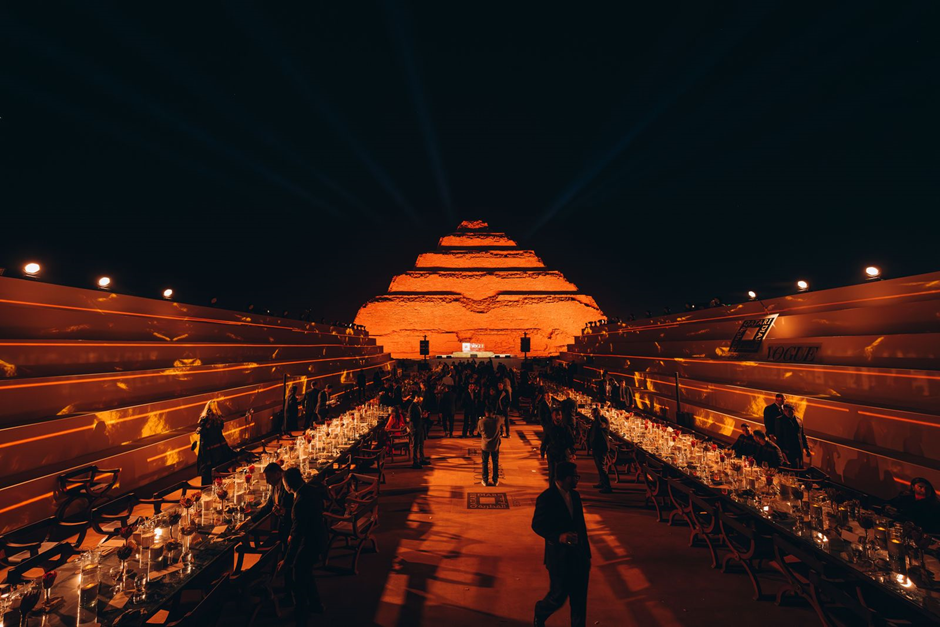
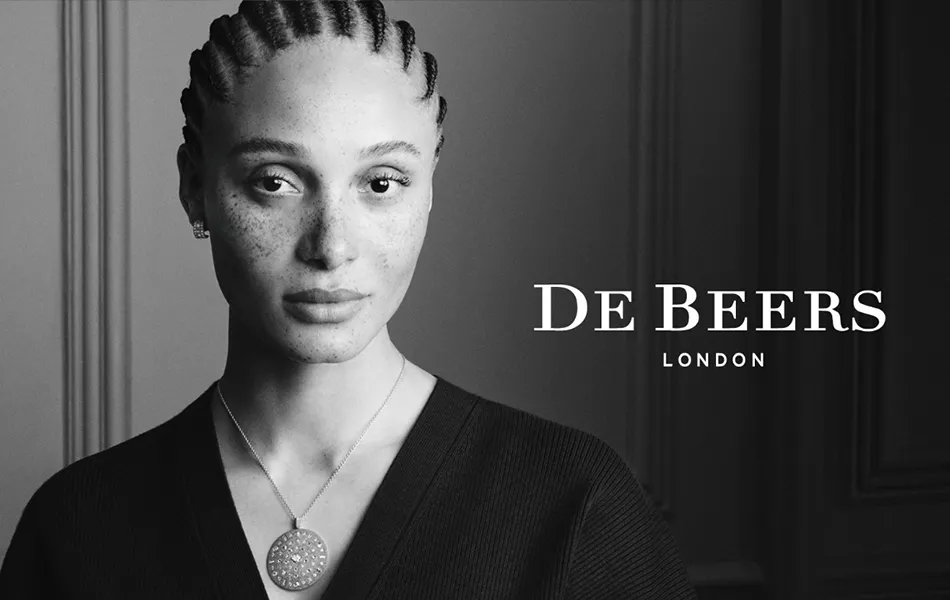
The most valuable thing De Beers owns may be the one asset nobody in the room...
Capital Couture
Five years of cultural momentum, zero euros in profit. The house has no creative director, no...
Capital Couture
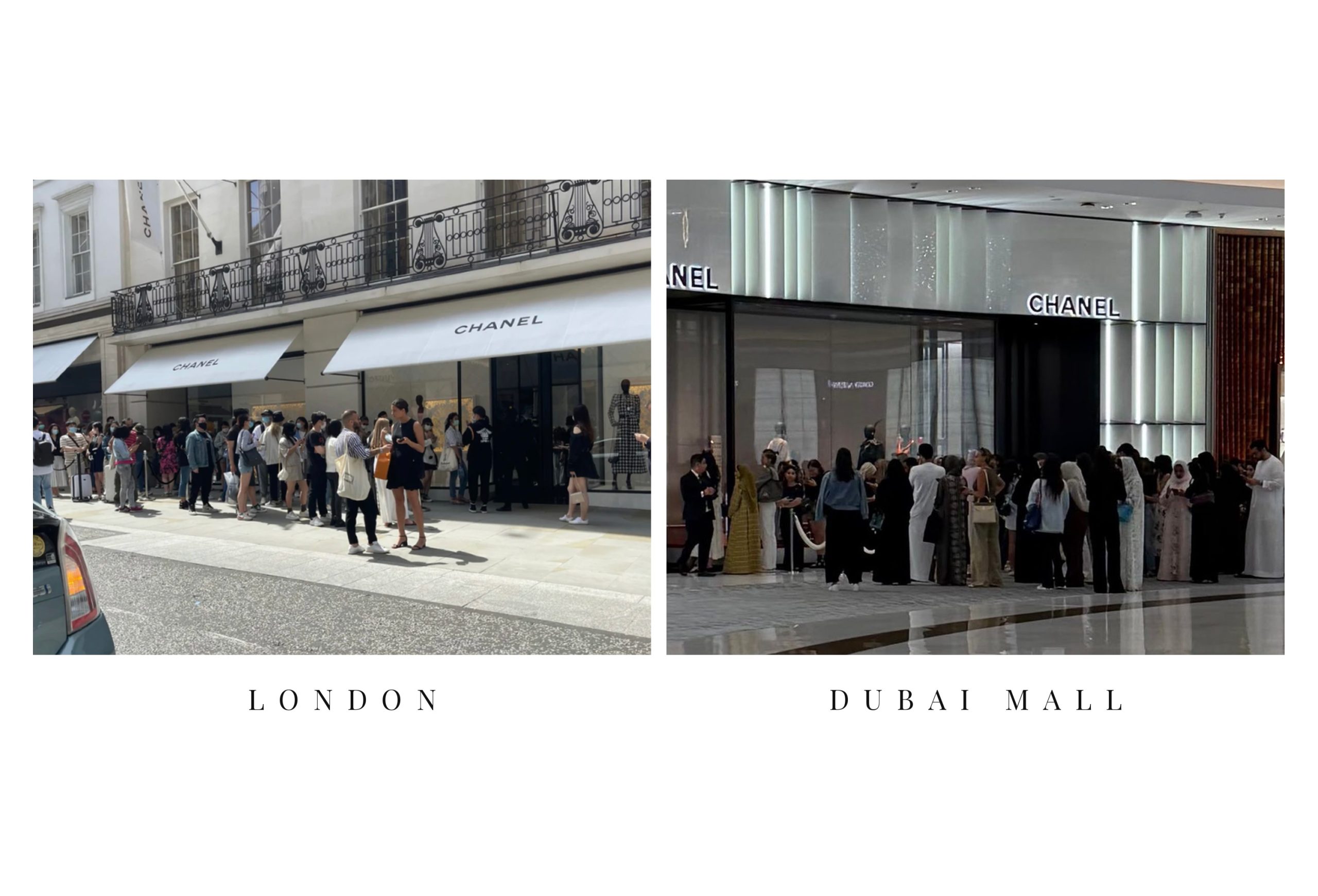
From London to Dubai, the queues looked the same: infinite. A scene the industry had quietly...


No comments yet.